Mastodon Feed
Reblogged by jsonstein@masto.deoan.org ("Jeff Sonstein"):
johncarlosbaez@mathstodon.xyz ("John Carlos Baez") wrote:
In the Big Bang, about 1/4 of the matter in the Universe fused into helium. Unfortunately, very little turned into heavier elements. As far as I can tell, it took about 10 billion years for pathetic little stars to crank out enough carbon, oxygen and other good stuff to support life. By the time we showed up, the party was almost over: the peak of star formation was long past, and the accelerating expansion of the Universe had begun. In another 10 billion years, the portion of the Universe we can still reach by moving slower than light will shrink by 80%. If so-called intelligent life wants to spread across the Universe, it had better get its ass in gear.
What's the problem here? Why did the Big Bang produce so little of heavier elements?
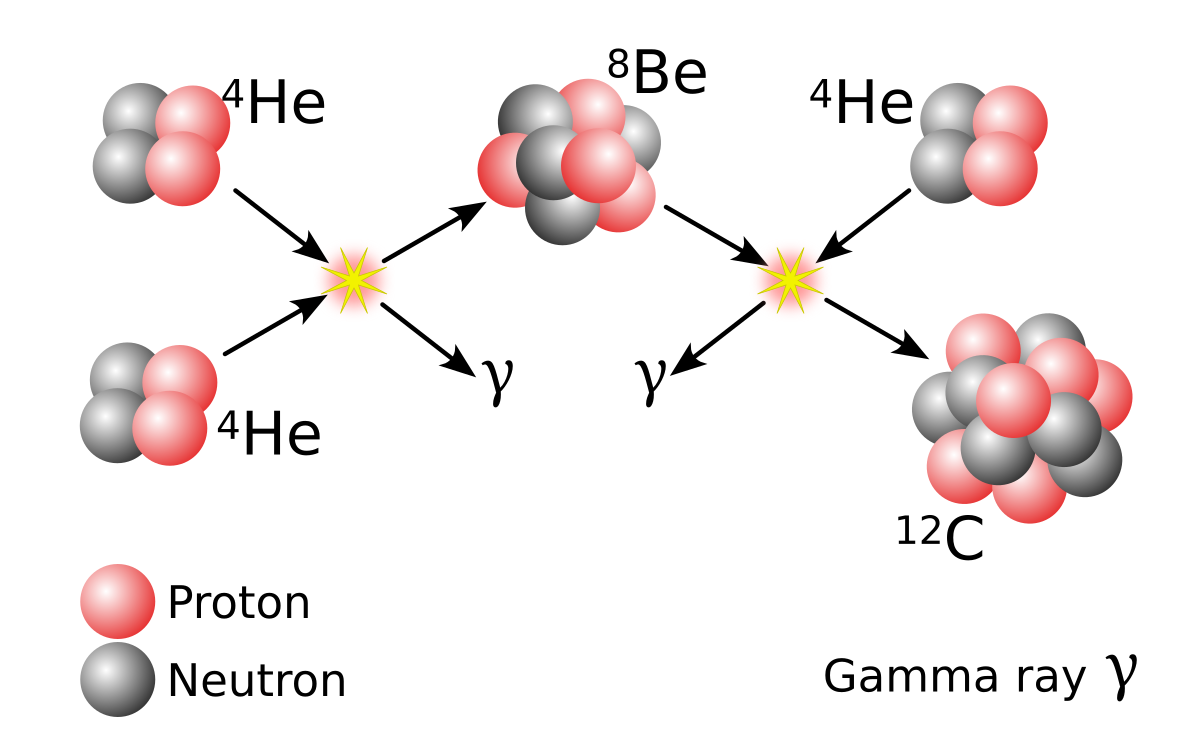
One problem is that the steps after helium are tough. Lithium, beryllium and boron are not very easy to make, for reasons of nuclear physics, so the next one after that - carbon! - first got made by an awkward process where two heliums crash into each other and make an *unstable* form of beryllium, which decays quickly unless a *third* helium hits it first, making carbon.
Once there's a bunch of carbon around, other processes come into play. But that happened much later.
Another problem is the "deuterium bottleneck".
(1/2)